
Why Merino Wool?
Merino wool is warm without feeling stuffy, breathable without feeling thin, and naturally comfortable for everyday wear. That balance is why wool has been trusted for generations—and why we use it in our felted wool slippers.
Shop Wool Slippers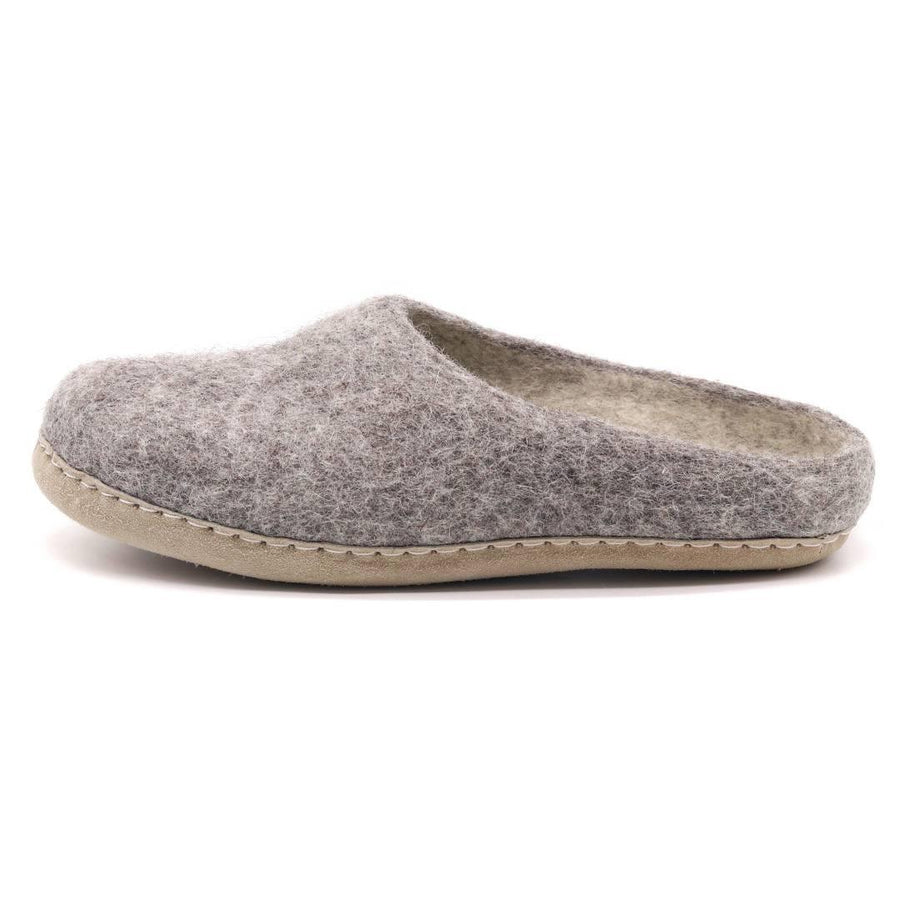
Benefits of Wool
The biggest benefits of wool come from how the fiber behaves naturally. Instead of simply trapping heat, wool helps regulate temperature, manage moisture, and resist odor—three things that matter a lot in slippers.
Temperature Regulating
Wool helps keep feet warm when the house is cool, while staying more balanced as temperatures change.
Moisture Managing
Wool can absorb and release moisture vapor, helping your feet feel less damp or clammy.
Breathable Comfort
Unlike many synthetic liners, wool allows airflow while still maintaining cozy insulation.
Odor Resistant
Because wool manages moisture well, it naturally helps reduce the conditions that lead to odor.
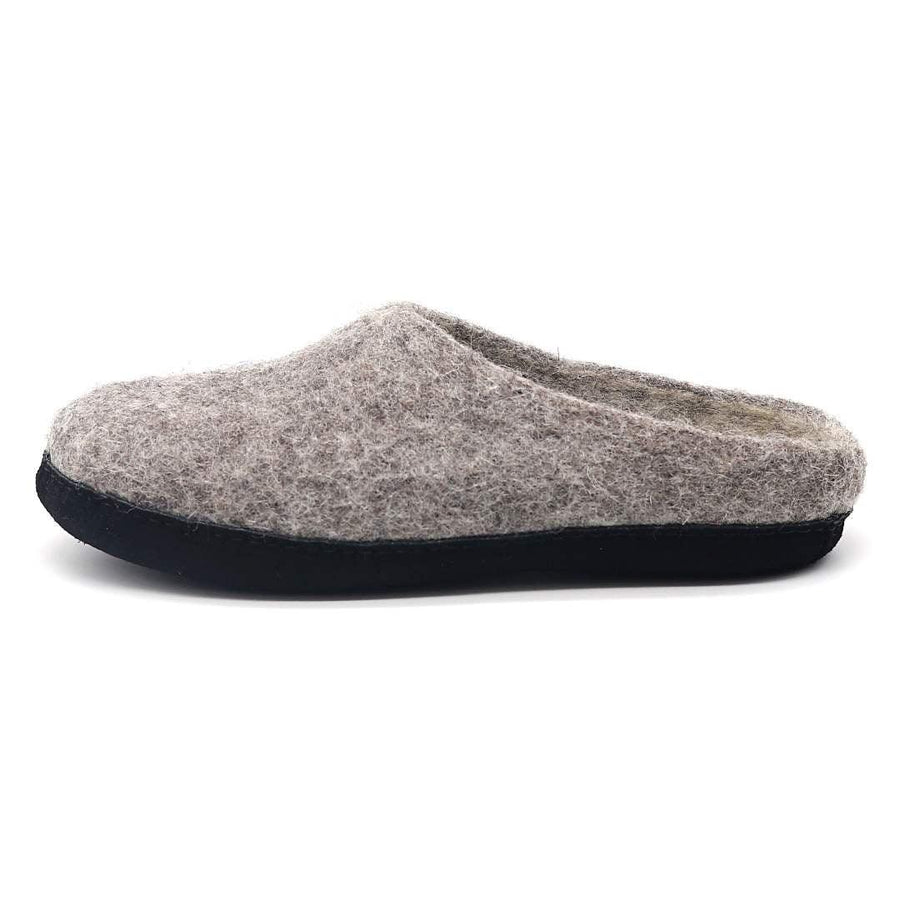
Why Wool Works So Well for Slippers
Wool is especially well suited for house slippers because it creates cozy warmth without the sweaty, closed-in feeling common with synthetic fleece. In felted wool slippers, the fibers lock together into a dense but flexible structure that softens and conforms with wear.
- Dense felted structure creates cozy insulation for daily indoor wear.
- Tiny air pockets help hold warmth without making the slipper feel overly heavy.
- Flexible wool fibers gently adapt to your foot over time.
Wool vs Cotton vs Synthetic
When comparing wool vs cotton or synthetic fleece, wool stands out because it balances warmth, breathability, and moisture control. Cotton can feel soft at first, but it tends to hold moisture. Synthetic materials can feel warm, but they often trap heat.
| Feature | Merino Wool | Cotton | Synthetic Fleece |
|---|---|---|---|
| Warmth | Warm but breathable | Light to moderate | Warm but can overheat |
| Moisture Control | Manages moisture naturally | Holds moisture | Varies by fabric |
| Odor Resistance | Naturally odor resistant | Low | Usually low unless treated |
| Best Use | Everyday comfort, slippers, socks | Light casual wear | Budget warmth |
The simple version: wool keeps your feet cozy without sealing them in plastic-like heat. That is why it works so well for slippers you wear around the house for hours at a time.
Not Just for Winter
Merino wool is often thought of as a cold-weather fiber, but its real advantage is balance. It helps keep feet warm in cool weather, yet remains breathable enough for everyday indoor use across seasons.
- Comfortable for cool mornings and evenings
- Less clammy than many synthetic-lined house shoes
- Great for daily indoor wear
- Naturally soft, breathable, and easy to live in
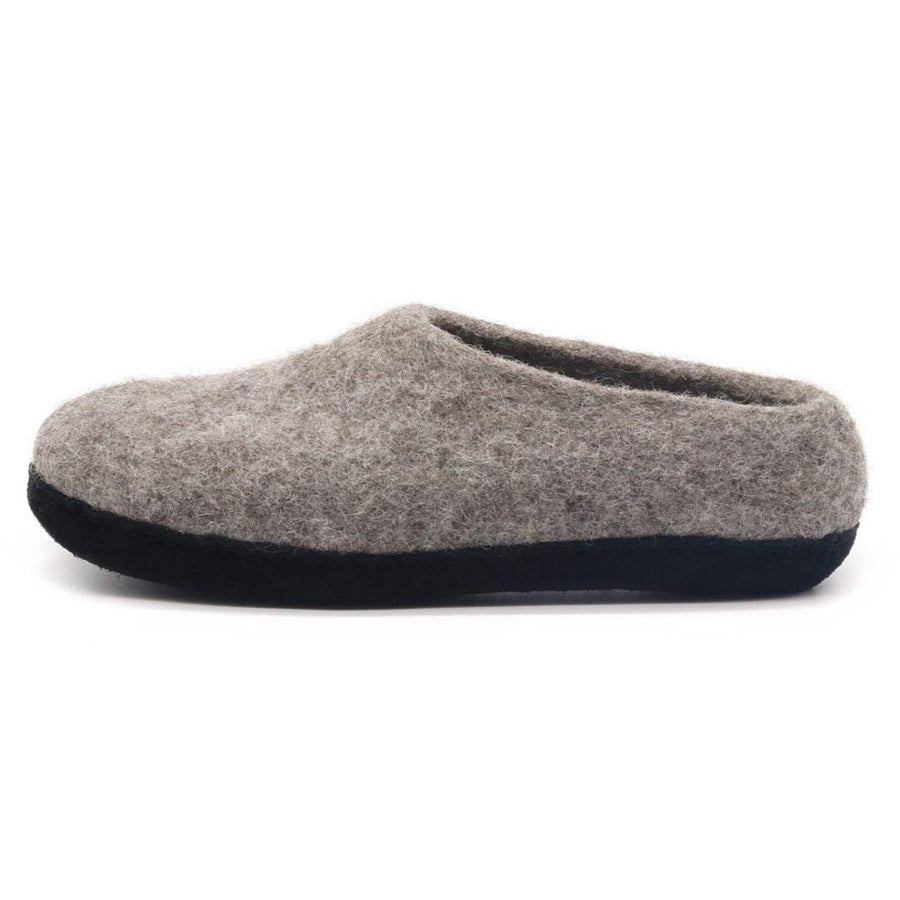
Explore More Natural Comfort
Wool is one of our favorite natural fibers, but it is not the only one we love. If you want an even softer feel for socks, compare it with alpaca.
Our Wool Favorites
If you want breathable warmth for home, start with one of our felted wool house slippers.


FAQs About Wool
Is wool breathable?
Yes. Wool naturally allows airflow while still insulating, which helps your feet stay comfortable instead of overheated.
Does wool smell?
Wool is naturally odor resistant because it manages moisture well, helping reduce the damp conditions that can lead to odor.
Can you wear wool year-round?
Yes. Merino wool is useful beyond winter because it helps regulate temperature across changing conditions.
Is merino wool itchy?
Merino wool is generally softer than traditional wool because the fibers are finer and more flexible.
The Bottom Line
Merino wool delivers the kind of comfort you actually want at home: warm, breathable, moisture-managing, odor-resistant, and naturally soft.
Find Your Pair